
Fistula Repair
Medically reviewed by
M.Ch. Urology (CMC Vellore) · Fellowship in Urologic Oncology & Robotic Surgery (University of Miami) · NMC Reg. No. NMC/2005020914
This page is for general health information and education only. It does not replace a consultation, diagnosis or treatment by a qualified doctor who has examined you.
At a Glance
Robotic fistula repair closes an abnormal connection between the bladder or ureter and the vagina through small abdominal incisions, with good visibility in deep areas of the pelvis. A catheter is kept for about 10–14 days while the repair heals.
| Approach | Robot-assisted keyhole surgery |
|---|---|
| Anaesthesia | General |
| Hospital stay | Usually 2–4 days |
| Catheter | About 10–14 days |
Times are general ranges; your team will advise on your own situation.
Related: VVF and UVF fistula · All procedures
What Is Robotic Surgery?
- Robotic surgery utilizes a state-of-the-art minimally invasive surgical platform such as the da Vincitm robotic system developed by Intuitive Surgical.
- During the procedure, the surgeon operates while seated at a specialized console, controlling the robotic instruments with precise hand movements.
- Slender robotic instruments, usually about 8 mm in size, are inserted through small incisions in the abdomen and function as extensions of the surgeon’s hands.
- The robotic instruments are “wristed,” providing a greater range of motion and flexibility than conventional laparoscopic instruments, allowing highly precise surgical movements.
- The robotic camera system provides a high-definition, magnified three-dimensional view of the surgical field, with magnification up to 12 times, enabling exceptional visualization and accuracy during surgery.

How To Prepare For Robotic Surgery?
There is no special preparation for robotic procedures. To proceed with any surgery the general instructions are:
- Basic blood and urine investigations are performed to assess your general health and fitness for surgery.
- Cardiac evaluation, including tests such as ECG and 2D-Echocardiography, may be required to ensure that you are medically fit for anesthesia and the planned procedure.
- Blood-thinning medications may need to be stopped 5–7 days before surgery, as advised by your treating doctor, to reduce the risk of bleeding.
- A detailed pre-anesthesia check-up and medical assessment are carried out before surgery.
- Maintaining a healthy diet and regular physical activity before surgery can help improve recovery and surgical outcomes.
- Patients are usually admitted either on the day before surgery or on the day of the procedure, depending on the surgical plan and hospital protocol.
What to expect after surgery?
- Recovery after surgery depends on the type and extent of the procedure performed.
- For most patients, a liquid diet can usually be restarted within 24–48 hours after surgery, followed by gradual progression to a normal diet as tolerated.
- Patients are generally encouraged to get out of bed and begin walking within a few hours after surgery to aid recovery and reduce postoperative complications.
- Postoperative pain is usually mild to moderate and can be effectively controlled with medications.
- Most patients are expected to be discharged from the hospital within approximately 5–7 days, depending on recovery and the nature of the surgery.
- Walking is encouraged after surgery; however, strenuous activities such as heavy lifting, gym workouts, golfing, or intense exercise should be avoided for at least 1 month.
Advantages Of Robotic Surgery
Robotic surgery provides significant benefits for both patient and surgeon.
- Smaller incisions resulting in less postoperative pain and minimal scarring.
- Shorter hospital stay with faster recovery and an earlier return to normal daily activities.
- Reduced blood loss and lower chances of requiring blood transfusion during or after surgery.
- Lower risk of wound infection compared to conventional open surgery.
- Reduced risk of anastomotic narrowing or stricture formation in complex reconstructive procedures due to precise suturing and tissue handling.
- High-definition magnified visualization allows highly precise surgery while helping preserve surrounding organs and vital structures.
- Robotic surgery offers superior ergonomics and greater instrument flexibility compared to standard laparoscopy, enabling enhanced surgical control and precision.
- Improved ease of suturing in deep operative fields, particularly beneficial during renal transplantation and in obese patients where access may otherwise be challenging.
- Minimal handling of the bowel during robotic surgery helps promote quicker return of intestinal function and faster overall recovery.
When Is Robotic Surgery Done For Kidney Disease?
- Robotic surgery is an effective minimally invasive option for the treatment of several bladder diseases and reconstructive urological procedures.
- Radical cystectomy is considered the gold standard treatment for bladder cancer that invades the muscle layer or extends beyond it. Traditionally performed as a major open surgery, it can now be carried out robotically with advantages such as reduced blood loss, smaller incisions, less pain, and quicker recovery.
- Partial cystectomy is selectively performed for small, localized bladder tumors or specific tumor types such as urachal adenocarcinoma. A robotic approach allows precise tumor removal with minimal complications.
- Bladder diverticula, which are outpouchings of the bladder wall and may be associated with recurrent infection or bladder stones, can be effectively treated using robotic surgery.
- Complex reconstructive procedures such as fistula repair and augmentation cystoplasty for severely contracted or small-capacity bladders can also be successfully performed using robotic techniques.
- Urology has remained at the forefront of robotic surgical innovation, and today many advanced bladder surgeries can be performed robotically with excellent outcomes and high success rates.
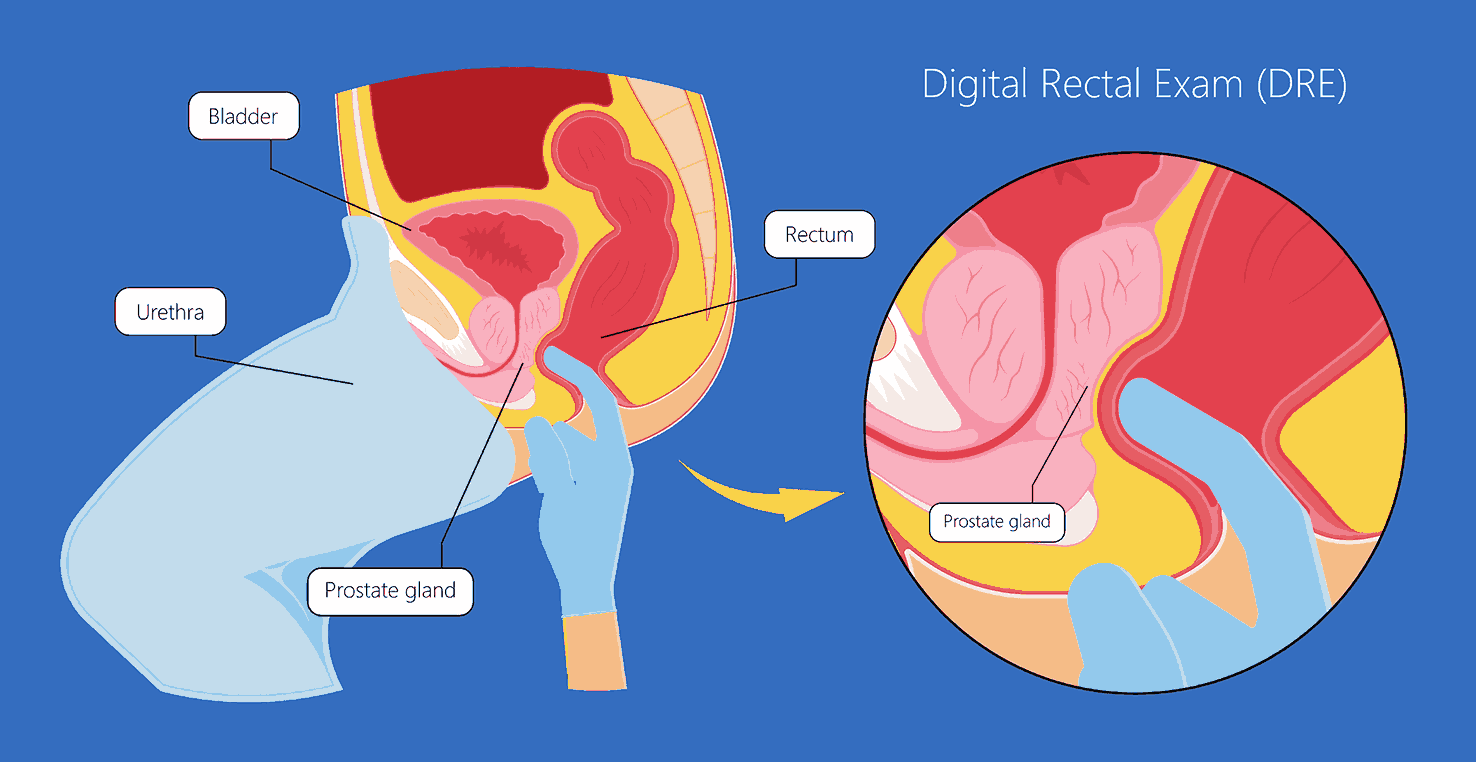
Prostate Cancer Screening: Everything You Need to Know
Frequently Asked
Common Questions Answered
Find answers to frequently asked questions about urological treatments and appointments.
What are the results of robotic bladder surgery?
Robotic surgery has reduced complications and quicker recovery than open surgery with no compromise in the efficiency of the surgery.
What are the advantages of robotic surgery?
It allows a very precise surgery with fewer complications, better functional outcomes and no compromise in cancer control.
How painful is the surgery?
Pain is quite mild and easily managed with tablet medications.
When will I be discharged from hospital?
Most patients are discharged in 5-7 days after the surgery however this can take longer and depends on the extent of the procedure.
When can I resume normal work?
Work can be resumed usually 3-4 weeks after surgery.
References
- De Ridder D et al. Fistula in the developed world. In: Incontinence, 6th International Consultation on Incontinence (ICUD-ICS), 2017.